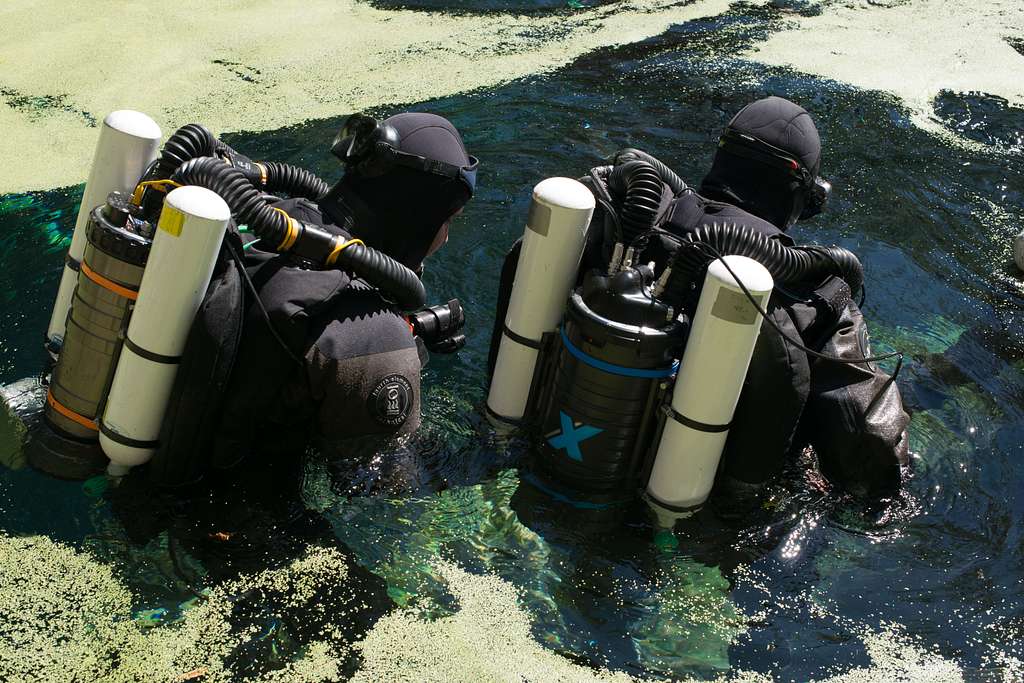
Recreational Oxygen CCR Diver
Recreational oxygen closed-circuit rebreather decompression-gas specialization training you to use pure oxygen for efficient shallow decompression stops after deeper dives. This course teaches oxygen toxicity management, setpoint optimization for decompression use, and bailout procedures specific to oxygen rebreather operations. Significantly improves decompression efficiency compared to air or nitrox decompression gases.
Prerequisites
IANTD Open Water Diver or equivalent; IANTD EANx Diver or equivalent; minimum 20 logged open-water dives with at least 15 hours underwater using open-circuit scuba; minimum 18 years old
Standards
What a diver must demonstrate to pass this course — not always published by the certifying agency.
Oxygen toxicity recognition and prevention, setpoint management for oxygen rebreather use, bailout procedures from oxygen rebreather, safe depth limits for oxygen rebreather operations, emergency ascent procedures
No instructors or dive centres found offering this course.
We're still building out the directory country by country, so this list isn't every instructor or dive centre teaching it in the world — more locations are coming soon.
Common questions about IANTD Recreational Oxygen CCR Diver
What are the prerequisites for IANTD Recreational Oxygen CCR Diver?
IANTD's standards require: IANTD Open Water Diver or equivalent; IANTD EANx Diver or equivalent; minimum 20 logged open-water dives with at least 15 hours underwater using open-circuit scuba; minimum 18 years old.
What is the minimum age for IANTD Recreational Oxygen CCR Diver?
IANTD's standards state: Minimum 18 years old.
How many dives do I need before starting IANTD Recreational Oxygen CCR Diver?
IANTD's standards state: Minimum 20 logged open-water dives with at least 15 hours underwater using open-circuit scuba.
What does IANTD Recreational Oxygen CCR Diver training involve?
According to IANTD's published standards: Oxygen toxicity recognition and prevention, setpoint management for oxygen rebreather use, bailout procedures from oxygen rebreather, safe depth limits for oxygen rebreather operations, emergency ascent procedures.